Complete Mice Control Milton Services for Homes and Businesses
Complete Mice Control Milton Services for Homes and Businesses
Blog Article
Mice can gain access through openings smaller than a coin, then hide inside wall voids, ceilings, attics, and storage areas. A single house mouse may signal a larger mouse infestation, especially when you find droppings, hear movement at night, or notice damage to food packaging.
Professional Mice Control Milton services deal with more than the mice you can see. A pest control technician searches for entry points, finds nesting areas, gets rid of active rodents, and suggests practical mouse prevention. The process may include property inspection, exclusion, safe treatment, and follow-up service.
DIY mouse removal may appear simple, but traps placed without a full inspection often keep the main access route open. Professional pest control offers a wider view. It considers the building, food sources, water sources, sanitation, pet safety, and the risk of a recurring infestation. Mosquito Man is one business name associated with pest control services, including solutions for rodent concerns.
Clues You May Have a Mouse Infestation
Mice often stay hidden during the day. You may notice evidence before you see a live rodent. Quick action can help prevent property damage and reduce the amount of cleaning required.
- Rodent droppings: Small, dark pellets may show up along walls, inside cabinets, beneath appliances, or near stored food. Fresh droppings usually look darker and softer than older, dry waste.
- Chew marks: Mice chew cardboard, plastic, wood, insulation, and wiring. Look for small teeth marks on food packages, cables, door frames, and stored materials.
- Scratching noises: Light scratching or scurrying in walls, ceilings, or the attic can indicate mouse activity. Noises often become more noticeable after the property becomes quiet.
- Grease marks: Mice follow familiar routes along walls. Oils from their fur can leave dark smudges around baseboards, holes, pipes, and other travel paths.
You may also find shredded paper, insulation, fabric, or other material gathered into mouse nests. A stale odour, damaged packaging, and repeated sightings should not be ignored. Do not sweep or vacuum mouse droppings while they are dry. Droppings cleanup should follow safe handling practices to avoid contact with contaminated dust.

What Brings Mice to Properties?
Mice look for three basic needs: food, water, and shelter. A property does not need to be dirty to attract rodents. Small gaps, accessible garbage, or an undetected leak can give mice enough support to settle indoors.
- Food debris: Crumbs beneath appliances, open pantry items, and food residue on counters create easy meals. Pet food left out overnight can also become a regular source of food.
- Garbage: Open bins and bags with food waste can bring rodents near entrances. Secure lids and regular removal make the area less appealing.
- Stored items: Stacked boxes, unused furniture, paper goods, and dense storage give mice places to hide and build nests. Clutter also makes signs harder to spot.
- Sources of water: Leaking taps, damp basements, condensation, pet bowls, and plumbing leaks can allow mouse activity.
Good food storage and sanitation reduce risks, but they do not replace exclusion. Mice can enter through gaps around pipes, cables, doors, foundations, vents, and roofline features. A professional inspection matches these conditions with the evidence found indoors.
Why Professional Mice Control Is Necessary
Mice are more than a nuisance. They can damage the structure and create health concerns. Their urine, droppings, nesting materials, and fur may contaminate surfaces and stored products.
Property damage can include chewed insulation, damaged drywall, weakened stored materials, and wiring concerns. Gnawing keeps a mouse’s teeth from growing too long, so the animal may chew items that have no food value. This behaviour can lead to structural damage and costly repairs.
Disease transmission is another concern. Rodents can carry organisms on their bodies and in their waste. Contact with contaminated surfaces, food, or dust may create health risks. A professional service can outline safe treatment and cleaning steps based on the location and level of activity.
Quickly removing one mouse may not fix the problem. If entry points remain open, another rodent can enter. If food and shelter remain available, the population may grow. Professional rodent control combines mice removal with exclusion, sanitation advice, and monitoring to limit recurring infestations.
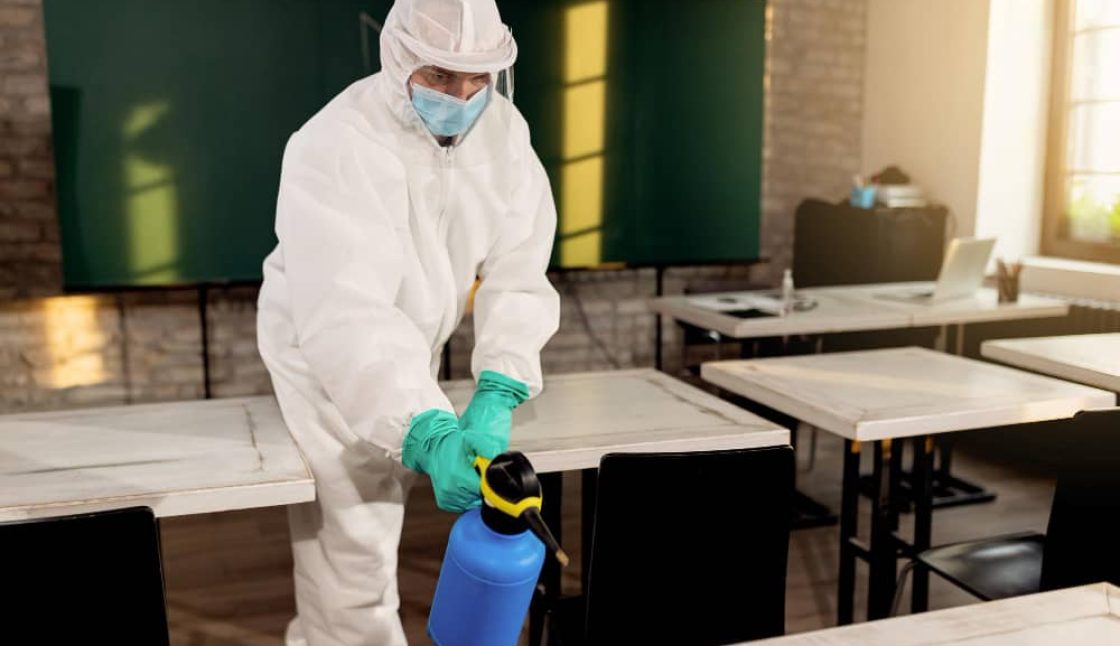
How a Qualified Mice Control Team Works
A reliable service follows a planned process rather than placing traps at random. The pest control technician checks the property, records evidence, and selects methods matched to the building and the people or animals using it.
- Inspection: The technician checks for droppings, gnaw marks, odours, nesting material, travel routes, and signs of ongoing mouse activity.
- Entry-point detection: Gaps and defects are noted around the exterior and interior. The inspection looks past the room where mice were seen.
- Mouse capture: Traps, bait stations, and other approved methods may be used based on the site conditions and safety requirements.
- Ongoing monitoring: A return visit or scheduled check helps establish whether activity has stopped and whether further exclusion work is needed.
An inspection report may list evidence, recommended repairs, treatment locations, and prevention steps. This gives you a clearer record than a one-time DIY trap placement.
Initial Property Inspection
The inspection should cover areas that people seldom visit. An attic inspection can reveal nests, droppings, disturbed insulation, and roofline access. A basement redirected here inspection may identify gaps around plumbing, moisture, and wall-floor joints.
The technician may also inspect the crawl space, garage, storage areas, and wall voids. Wall voids matter because mice may move through them without entering living areas often. A small opening behind a cabinet can connect to a wider route inside the building.
For businesses, the property inspection may include storage rooms, receiving areas, kitchens, utility rooms, loading zones, and waste areas. The technician should note activity without creating avoidable disruption to staff or customers.
Exclusion and Access-Point Sealing
Exclusion closes the routes mice use to enter. This work may involve door gaps, foundation cracks, utility openings, damaged siding, roofline gaps, and spaces around pipes or cables.
Bottom-door sweeps and weather barriers can close gaps at ground level. Foundation cracks may need proper repair materials. Utility openings should be sealed without limiting safe access for maintenance. Vent screens can help secure openings while allowing proper airflow.
Entry-point sealing works best when it follows a careful inspection. Sealing only the most obvious hole may drive mice toward another route. A professional can prioritize repairs based on mouse evidence, building design, and the condition of existing barriers.
Traps, Bait Stations, and Control Methods
Snap traps may provide a direct way to remove mice in suitable areas. Placement matters. Traps work better along active travel routes than in the middle of an open room. The technician also considers children, pets, employees, and access to the treatment area.
Tamper-resistant bait stations may be appropriate for some properties. They help restrict access to bait by non-target animals when positioned and maintained correctly. Rodenticide must be handled according to the product label and applicable safety requirements. It should never be left where pets or children can reach it.
Humane removal may be discussed where site conditions allow it, although no method is suitable for every situation. A pest control technician can describe the expected result, possible limitations, and any steps required after treatment. Pet safety should form part of the plan before products or traps are placed.
Mice Management for Homes and Commercial Properties
Residential properties need a control plan that supports daily routines, resting spaces, food, and pets. The service may cover kitchens, basements, garages, attics, and wall voids. Clear instructions help residents not disturb traps or bait stations and notice new signs quickly.
Commercial buildings face different pressures. A restaurant, warehouse, office, retail space, or industrial facility may have tough hygiene standards and more people moving through the property. Treatment must address employee safety, customer access, food storage, waste handling, and operating hours.
Food storage deserves special attention in both settings. Open packages should go into sealed containers, and damaged products should be isolated and assessed. Workplace sanitation should include quick removal of spills, regular waste removal, and organized storage methods.
Professional rodent control can also support documentation. A business may need service records, inspection findings, corrective actions, and follow-up dates. These records help management track mouse activity and respond before a small issue affects operations.
Stopping Mice Out Following Treatment
Protection begins once mice have been removed. Keep dry goods, pet food, and other food sources in strong food storage containers with secure lids. Do not rely on thin bags or open cardboard boxes for long-term storage.
Sanitation should target repeat problem areas. Clean crumbs under appliances, clear away food waste, wipe spills, and keep garbage containers closed. Repair leaking taps and plumbing problems that provide water sources.
Landscaping maintenance also has a role. Keep dense vegetation, stored materials, and debris away from exterior walls where practical. Cut back growth that touches the building, and avoid creating covered routes beside foundations or service doors.
Regular inspections help spot new signs before a recurring infestation takes hold. Check storage areas, utility rooms, garage edges, door seals, and places where pipes pass into the structure. A follow-up service can verify that exclusion work remains intact and that mouse activity has not returned.
When You Should Contact a Rodent Control Professional
Request a professional inspection when you notice multiple sightings, recent droppings in more than one area, mouse nests, or ongoing signs after using traps. Ongoing noise in walls or ceilings also deserves investigation.
Home remedies may remove an individual mouse, but they often miss hidden nesting sites and entry points. A professional can determine whether the issue involves one animal, a family group, or a wider rodent infestation. The assessment should also identify conditions that may continue attracting mice.
Quick professional help is especially useful when you find damaged wiring, contamination near food, or signs inside a business. Do not handle nests or heavily soiled materials without appropriate safety measures. Ask what to do before cleaning or moving affected items.
Frequently Asked Questions About Rodent Control
How can I tell if I have mice in my Milton home?
Look for mouse droppings, gnaw marks, grease marks, shredded nesting material, damaged food packaging, and scratching noises. Multiple sightings or fresh signs in different rooms suggest an active mouse infestation. A property inspection can locate travel routes, mouse nests, and entry points that are not visible from the living area.
What attracts mice to homes in Milton?
Common attractants include food crumbs, unsecured garbage, clutter, and water sources such as leaks or pet bowls. Mice also seek warmth and shelter in wall voids, basements, attics, garages, and storage areas. Better food storage and sanitation reduce attractants, while exclusion blocks access.
How do I safely get rid of mice?
Begin by removing accessible food, securing garbage, and avoiding contact with dry droppings or nests. Traps may help with limited activity, but safe treatment depends on correct placement and a full inspection. Professional mice control combines mice removal, entry-point sealing, and prevention. A technician can select snap traps or bait stations based on the property and household risks.
Are rodent control services in Milton appropriate for pets?
Pet safety depends on the products, placement, and instructions used during treatment. Notify the technician about every pet before service begins. Tamper-resistant bait stations, secured traps, restricted access, and clear re-entry instructions can help protect pets. Never move treatment equipment without guidance, and keep pets away from affected areas during droppings cleanup.
How much does professional rodent control cost in Milton?
Service cost varies with the size of the property, the level of mouse activity, the number of entry points, the amount of exclusion work, and whether follow-up visits are needed. Commercial buildings may also require documentation, scheduled monitoring, or treatment outside operating hours. Request a written scope that explains the inspection, removal methods, entry-point sealing, and follow-up service included.
Report this page